Blog/High intent
Website visitor identification for B2B: how it works in 2026
Your warmest leads already visited your site anonymously: identification turns that traffic into a named, qualified outreach list.
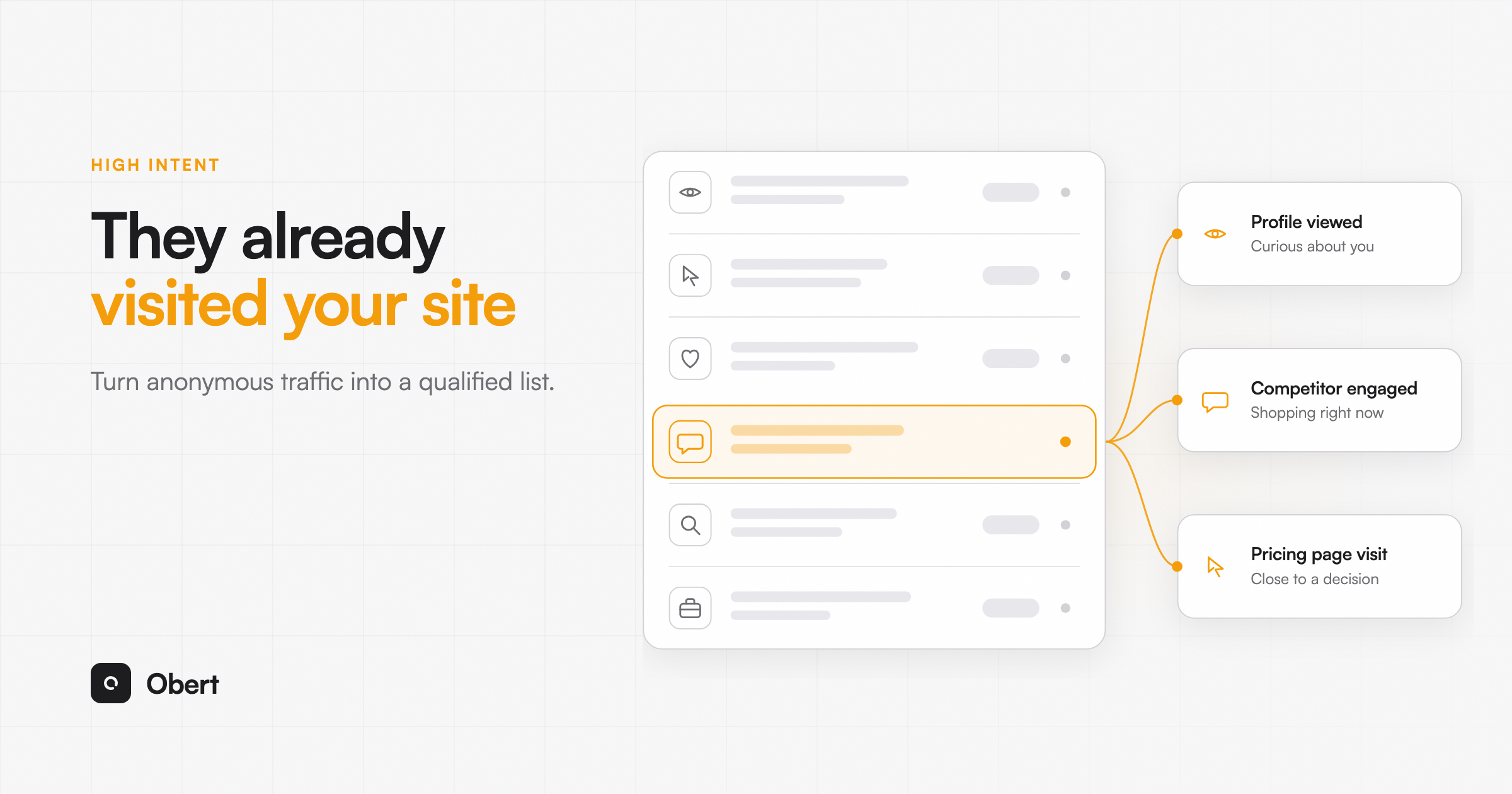
Website visitor identification matches anonymous B2B traffic to real companies and, increasingly, to likely individuals. In 2026 it works by layering IP-to-company data, device signals, and identity graphs. Identification rates vary widely, and honest vendors say so. The value is simple: someone who visited your pricing page is the warmest lead you'll get today, and identification lets you reach them. See how this fits a full pipeline motion on Obert for marketing teams.
How the matching actually works
Three layers, in decreasing order of reliability.
Layer 1: IP to company
Companies own or rent IP ranges, and firmographic databases map those ranges to company names. When a visit arrives from an office network, the match is straightforward: this IP block belongs to that company.
This layer is the workhorse. It's most reliable for mid-size and larger companies on office networks, and for any company with its own registered ranges. It tells you the company, not the person.
Layer 2: device and behavior signals
Cookies, device fingerprints, and repeat-visit patterns connect sessions over time. A visitor who came from a LinkedIn ad click last month and returns directly today is the same device, and the earlier click may carry campaign context.
This layer doesn't name anyone by itself. It enriches the picture: which pages, how often, from where.
Layer 3: identity graphs
Identity providers maintain graphs linking device signals and hashed identifiers to professional profiles, built from consented data sources across the ecosystem. When your visitor's signals match a graph entry, you get a likely person, not just a company.
This is the newest and noisiest layer. Match confidence varies, providers differ widely in coverage, and this is also where compliance rules concentrate.
What accuracy to honestly expect
Company-level: good on office traffic, and office traffic is a shrinking share. Remote workers on consumer ISPs resolve to their internet provider, not their employer. VPNs and privacy tools hide more.
Person-level: a minority of visits, varying by your audience. US traffic resolves more often than EU traffic, desktop more than mobile, office more than home.
The honest summary: a meaningful minority of your B2B traffic becomes actionable. Treat vendor-quoted rates as ceilings measured on friendly traffic, not as your average. Any vendor claiming near-total identification is overpromising, and no one can identify every visitor.
The compliance picture
Company-level identification is broadly accepted for B2B: knowing that someone at a company visited is firmographic, not personal.
Person-level identification is where regions differ. The EU under GDPR treats identifiers connectable to a person as personal data, which constrains person-level resolution for EU visitors; US rules are looser and vary by state. Practical guidance: work with vendors who publish their compliance basis and honor regional differences automatically, keep your privacy policy accurate about the tracking you run, and let your counsel make the final call for your market. This post is engineering context, not legal advice.
From a visit to a conversation
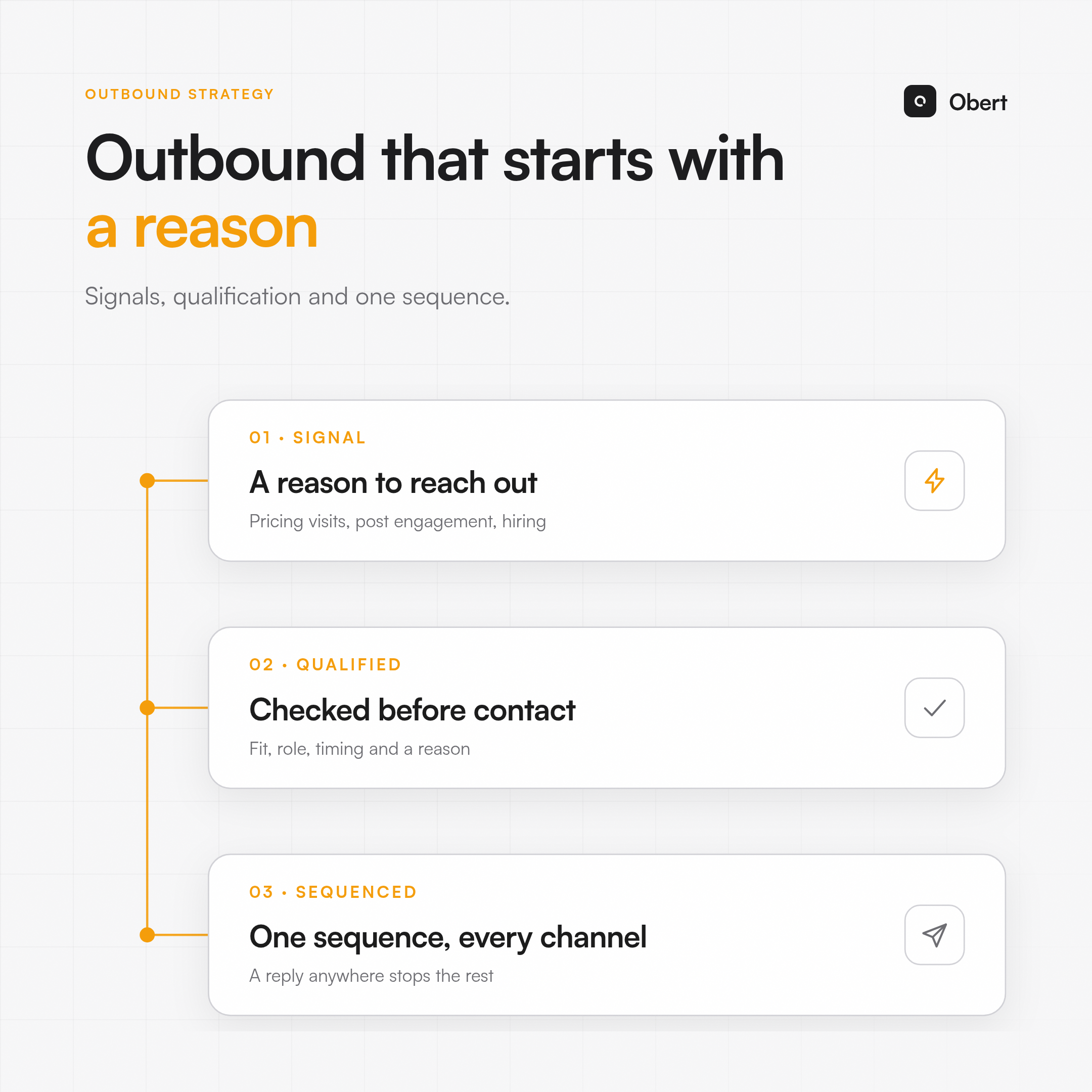
Identification alone is trivia. The value comes from the loop after it.
Filter for intent. A pricing page visit means more than a blog skim. Weight pages by intent (pricing, integrations, comparison pages high; careers page, zero) before anyone reaches out.
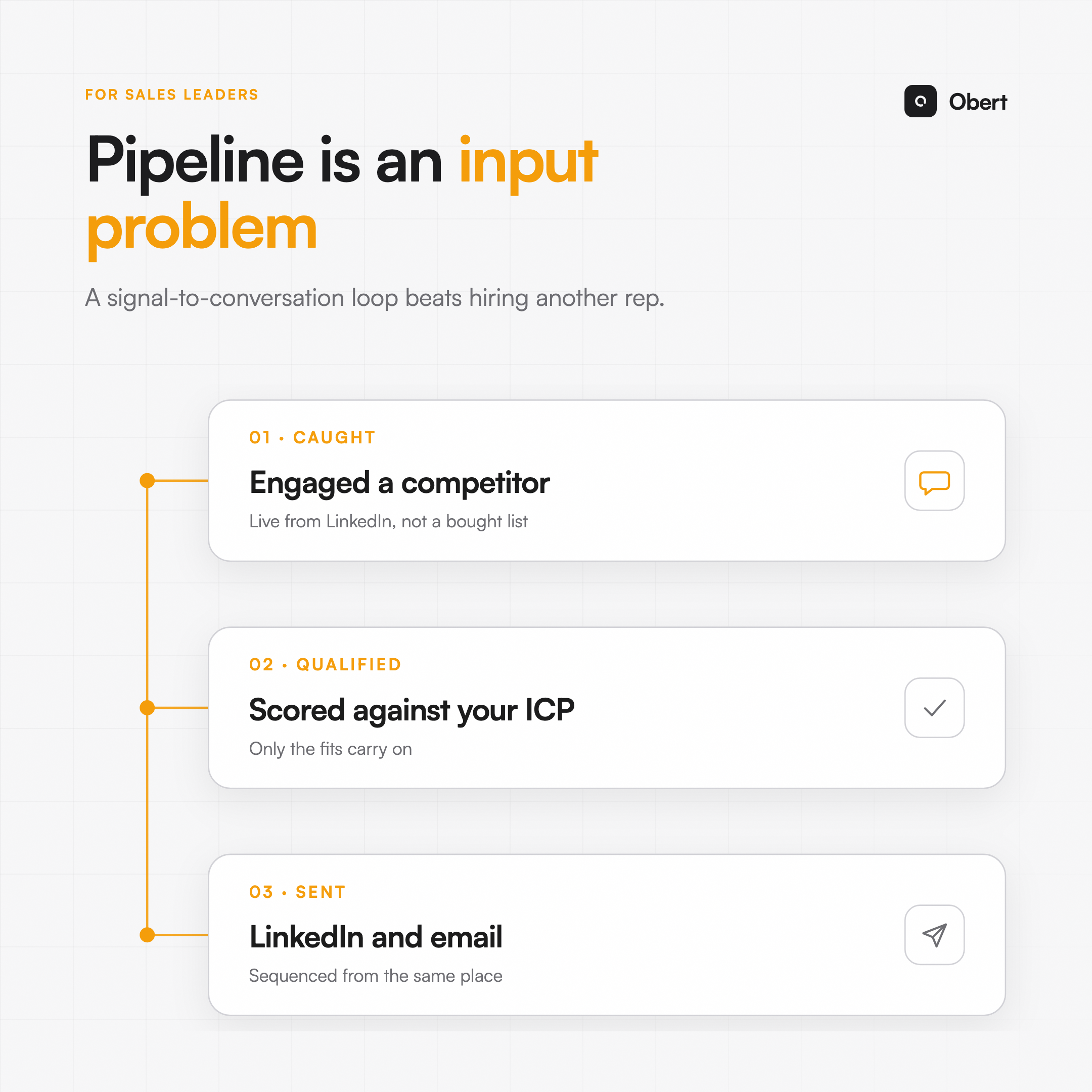
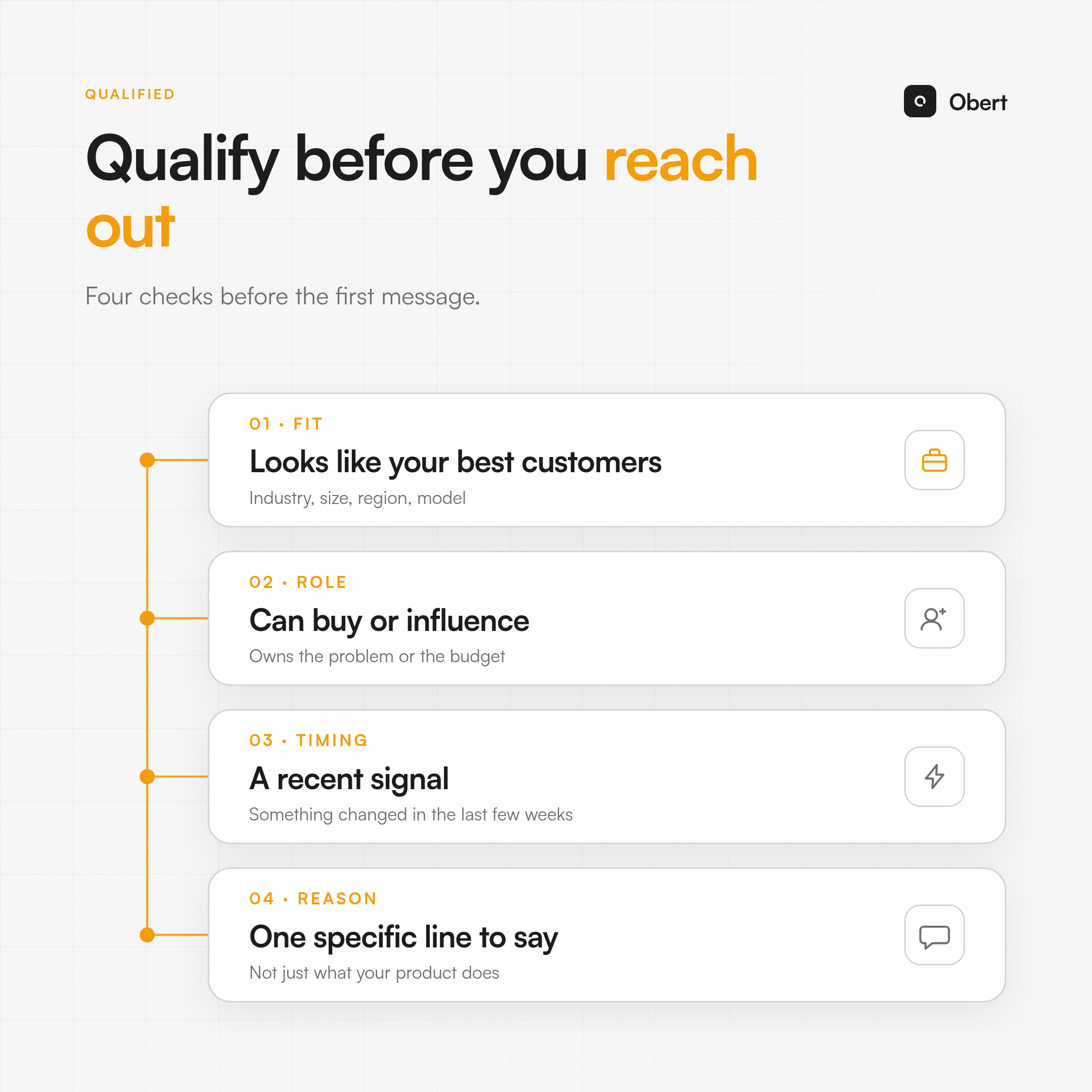
Qualify before touching. The visitor being real doesn't make them a fit. Run the same qualification you'd run on any lead: role, company type, disqualifiers. In Obert, the same agents that score every other signal score these, so a visitor and a competitor-post engager land in one ranked queue.
Reach out with context, carefully. Nobody wants "I saw you on our pricing page yesterday." The visit tells you when and who; the message should stand on relevance, not surveillance. Working structures: our message templates.
Where it fits among signals
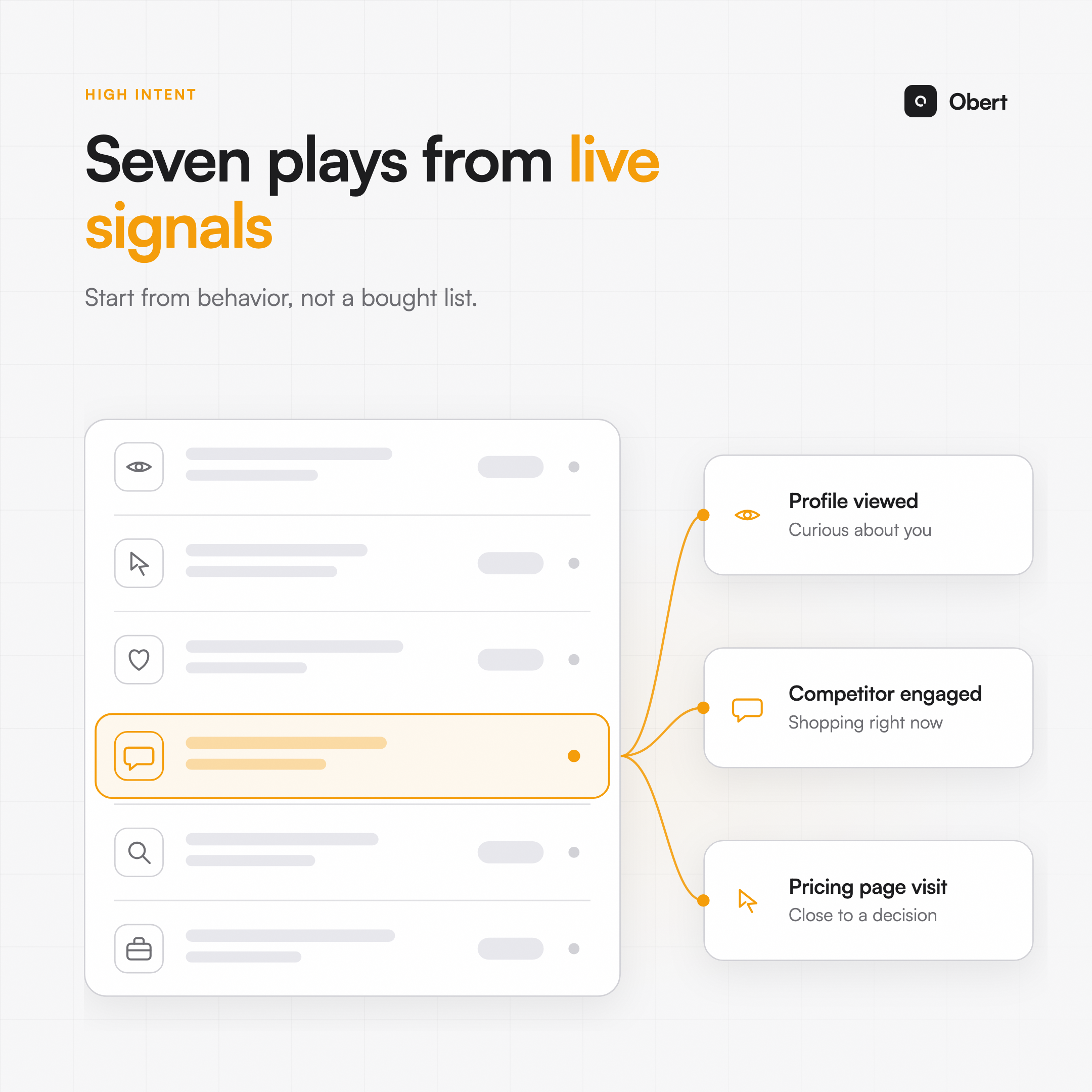
Website visitors are one signal of several, and rarely the highest-volume one. Social signals (competitor engagers, keyword posts) usually produce more leads; visitor signals produce warmer ones.
The teams that win run them together: visitors as the hot lane, social listening as the wide lane, both feeding one qualified queue. The full set: signal-based selling plays.
Obert tracks website visitors as one signal among many, qualifies each with agents, and routes the fits into outreach. Try it now. 7-day free trial, cancel anytime.
Matan Kleyman
Founder, Obert
Building Obert. The LinkedIn outbound system for founders and lean GTM teams. Previously scaled outbound motions at early-stage B2B startups.